

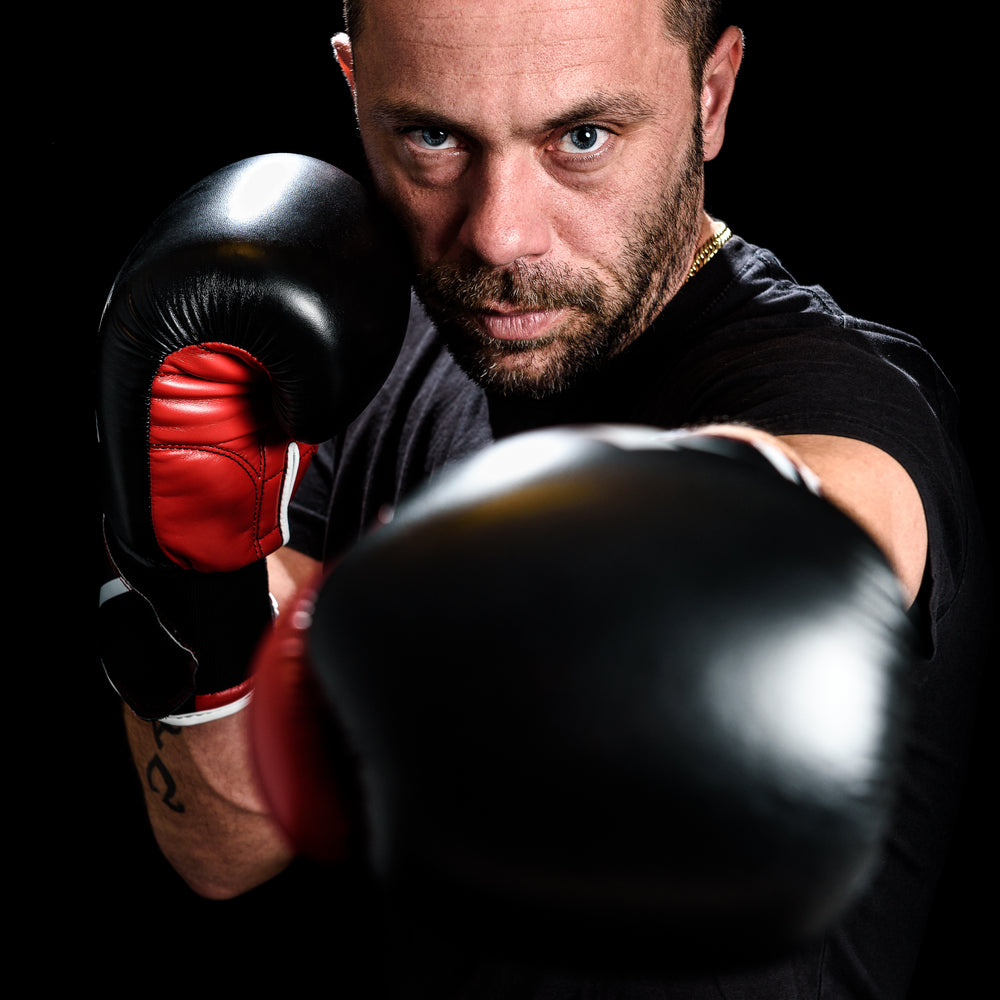
Striking vs Grappling: Key Differences in Combat Sports Training
Striking vs Grappling: Key Differences in Combat Sports Training
Combat sports training can generally be divided into two major styles: striking and grappling. While both aim to dominate an opponent, they rely on completely different techniques, conditioning methods, and mental approaches. Understanding the differences between striking and grappling is essential for fighters, coaches, and enthusiasts choosing a discipline or building a well-rounded skill set.
This article breaks down striking and grappling combat sports, compares their training methods, and explains how each style contributes to overall fighting ability.
What Is Striking in Combat Sports?
Striking focuses on delivering controlled, powerful blows to an opponent using punches, kicks, knees, and elbows. The goal is to score points, cause damage, or achieve a knockout.
Popular striking combat sports include:
- Boxing
- Kickboxing
- Muay Thai
- Karate
- Taekwondo
Striking sports emphasize distance control, timing, speed, and precision.
What Is Grappling in Combat Sports?
Grappling focuses on controlling an opponent through clinching, takedowns, throws, pins, and submissions. Instead of striking, the objective is to dominate positionally or force a submission.
Popular grappling combat sports include:
- Brazilian Jiu-Jitsu (BJJ)
- Wrestling
- Judo
- Sambo
Grappling relies heavily on leverage, balance, and technique rather than raw power.
Key Differences Between Striking and Grappling
Although both fall under combat sports, their approaches differ significantly.
|
Aspect |
Striking |
Grappling |
|
Distance |
Long to mid-range |
Close-range |
|
Main goal |
Knockout or points |
Control or submission |
|
Energy use |
Explosive bursts |
Sustained pressure |
|
Injury risk |
Head and hand injuries |
Joint and muscle injuries |
|
Conditioning |
Speed & cardio |
Strength & endurance |
Understanding these differences helps fighters train more effectively.
Training Methods in Striking Sports
Striking training is built around movement, accuracy, and repetition.
Common striking training methods:
- Shadowboxing
- Heavy bag training
- Pad work
- Sparring
- Footwork drills
Strikers spend significant time developing timing, rhythm, and defensive movement such as slips and blocks.
Training Methods in Grappling Sports
Grappling training focuses on positional awareness and technique refinement.
Common grappling training methods:
- Technique drilling
- Live rolling or sparring
- Positional sparring
- Grip strength training
Grapplers repeat techniques thousands of times to build muscle memory and efficiency.
Conditioning Differences
Conditioning varies greatly between striking and grappling.
Striking conditioning emphasizes:
- Cardiovascular endurance
- Speed and explosiveness
- Agility and coordination
Grappling conditioning emphasizes:
- Muscular endurance
- Grip strength
- Core stability
While both styles require fitness, the physical demands feel very different.
Equipment Differences in Training
Each style requires specific combat sports gear.
Striking gear includes:
- Boxing or kickboxing gloves
- Hand wraps
- Shin guards
- Headgear
- Mouthguards
Grappling gear includes:
- Rash guards
- Gis (for BJJ and Judo)
- Grappling shorts
- Knee pads
Using the correct gear is essential for safety and performance.
Mental Approach: Strikers vs Grapplers
The mindset between striking and grappling also differs.
Strikers focus on:
- Timing and reaction
- Distance control
- Calm under pressure
Grapplers focus on:
- Problem-solving
- Patience
- Positional awareness
Striking often feels explosive and fast-paced, while grappling is strategic and methodical.
Injury Risks and Prevention
Both styles carry injury risks, but the types differ.
Common striking injuries:
- Hand and wrist injuries
- Facial cuts
- Concussions
Common grappling injuries:
- Joint strains
- Muscle pulls
- Neck and shoulder injuries
Proper technique, quality gear, and recovery reduce injury risks in both disciplines.
Striking vs Grappling in MMA
Mixed Martial Arts combines striking and grappling, forcing fighters to develop skills in both areas.
Why balance matters:
- Strikers must defend takedowns
- Grapplers must handle strikes
- Conditioning must support both styles
Most successful MMA fighters cross-train extensively to eliminate weaknesses.
Which Style Is Right for You?
Choosing between striking and grappling depends on your goals.
Striking may suit you if you:
- Enjoy fast-paced action
- Prefer stand-up fighting
- Want visible fitness benefits
Grappling may suit you if you:
- Enjoy strategy and technique
- Prefer close-range control
- Want low-impact training options
Many athletes eventually combine both styles for complete combat ability.
Benefits of Cross-Training
Training both striking and grappling offers major advantages:
- Improved adaptability
- Better overall fitness
- Reduced predictability in competition
Cross-training also enhances understanding of opponent behavior.
Final Thoughts
Striking and grappling represent two sides of combat sports training. Each style develops unique physical, technical, and mental skills. Whether you choose one discipline or combine both, understanding their differences helps you train smarter, choose the right gear, and reach your full potential as a combat sports athlete.


