

Top Combat Sports Disciplines Explained: Boxing, MMA, Muay Thai, BJJ & More
Top Combat Sports Disciplines Explained: Boxing, MMA, Muay Thai, BJJ & More
Combat sports have been practiced for centuries and continue to grow worldwide. From striking-focused disciplines like boxing to grappling-based arts like Brazilian Jiu-Jitsu, each combat sport offers unique techniques, rules, and training methods. Understanding these differences helps athletes choose the right discipline, gear, and training approach.
This guide explains the most popular combat sports disciplines, their key characteristics, and what makes each one unique.
What Are Combat Sports?
Combat sports are competitive physical activities where participants engage in one-on-one combat using striking, grappling, or a combination of both. These sports test strength, endurance, technique, discipline, and mental toughness.
Combat sports can be broadly divided into:
- Striking-based sports
- Grappling-based sports
- Hybrid combat sports
Each category requires specialized training and equipment.
1. Boxing
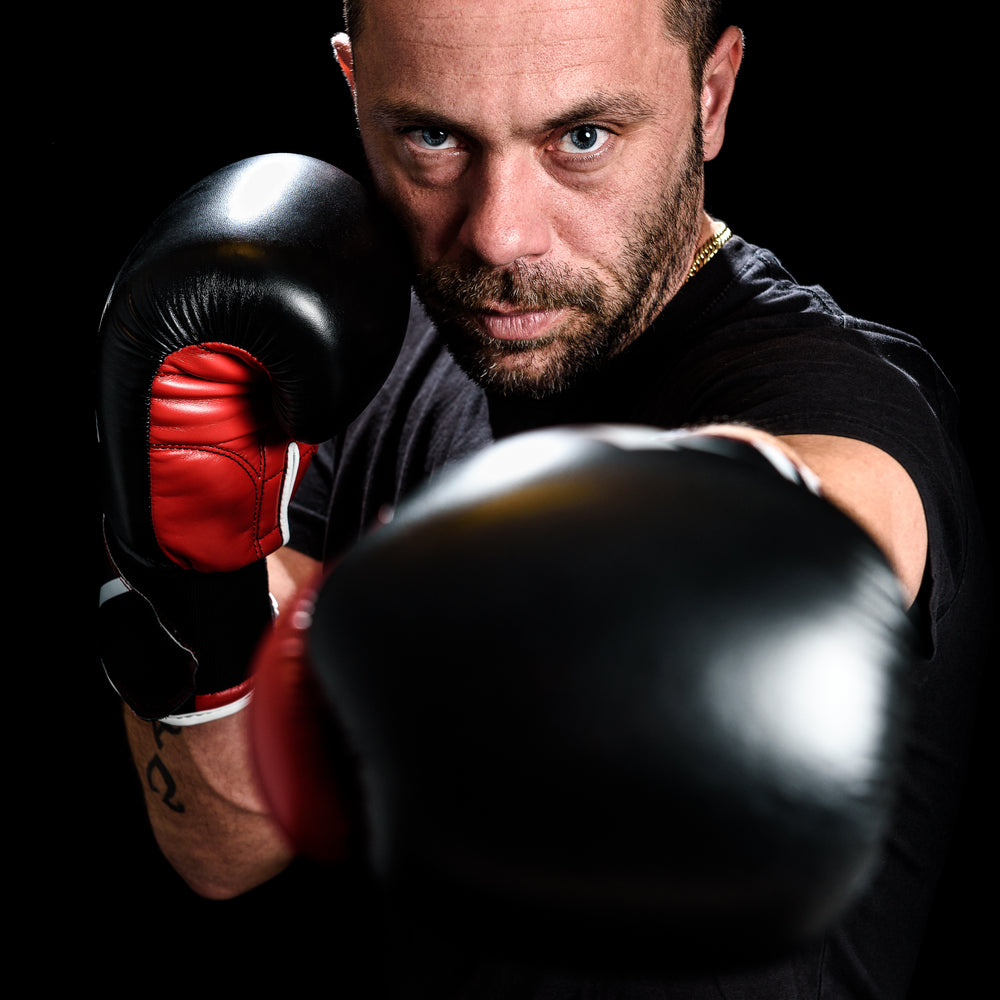
Boxing is one of the oldest and most recognized combat sports in the world. Fighters use punches only and compete inside a ring.
Key characteristics:
- Punching techniques only
- Footwork, head movement, and timing
- Emphasis on speed, endurance, and accuracy
Boxing develops excellent hand speed, defensive awareness, and cardiovascular conditioning. It is often the foundation for many mixed martial artists.
Common boxing gear:
- Boxing gloves
- Hand wraps
- Headgear
- Mouthguards
2. Mixed Martial Arts (MMA)
MMA combines striking and grappling techniques from multiple combat sports. Fighters can punch, kick, clinch, wrestle, and submit opponents.
Key characteristics:
- Striking and grappling combined
- Fighting in a cage or ring
- Requires versatility and adaptability
MMA athletes train across multiple disciplines, including boxing, Muay Thai, wrestling, and Brazilian Jiu-Jitsu.
Essential MMA gear:
- MMA gloves
- Shin guards
- Rash guards
- Fight shorts
3. Muay Thai
Known as the “Art of Eight Limbs,” Muay Thai allows punches, kicks, elbows, and knees.
Key characteristics:
- Clinch fighting
- Elbow and knee strikes
- Heavy emphasis on conditioning
Muay Thai is one of the most physically demanding combat sports and is widely used by MMA fighters to improve striking power and toughness.
Typical Muay Thai equipment:
- Muay Thai gloves
- Shin guards
- Elbow and knee pads (training)
4. Kickboxing
Kickboxing blends traditional boxing punches with kicks. There are multiple rule sets, but elbows and clinch fighting are usually limited.
Key characteristics:
- Punches and kicks only
- Faster pace than Muay Thai
- Strong emphasis on combinations
Kickboxing is popular for both competition and fitness training.
Common gear includes:
- Kickboxing gloves
- Shin guards
- Foot protection
5. Brazilian Jiu-Jitsu (BJJ)
Brazilian Jiu-Jitsu focuses on grappling and ground fighting, emphasizing leverage and technique over strength.
Key characteristics:
- Submissions and positional control
- Ground-based combat
- Suitable for all body types
BJJ teaches fighters how to control opponents and finish fights without striking.
Essential BJJ gear:
- Gi or no-gi rash guard
- Grappling shorts
- Mouthguard
6. Wrestling
Wrestling is a foundational grappling sport used heavily in MMA. It focuses on takedowns, control, and positional dominance.
Key characteristics:
- Takedowns and pins
- Strength and explosiveness
- High conditioning demands
Wrestlers often transition successfully into MMA due to their control and endurance.
7. Judo
Judo emphasizes throws, takedowns, and submissions using balance and leverage.
Key characteristics:
- Stand-up grappling
- Throws and trips
- Submission groundwork
Judo techniques are highly effective in self-defense and MMA.
8. Taekwondo
Taekwondo is known for dynamic kicking techniques and agility.
Key characteristics:
- High and spinning kicks
- Speed and flexibility
- Point-based competition
While less common in MMA, taekwondo contributes powerful kicking techniques.
9. Karate
Karate focuses on precision, discipline, and controlled striking.
Key characteristics:
- Punches, kicks, and blocks
- Kata and sparring
- Strong mental discipline
Modern combat sports often borrow karate footwork and striking timing.
10. Choosing the Right Combat Sport
Selecting the right discipline depends on:
- Personal goals (competition, fitness, self-defense)
- Physical strengths
- Training availability
- Injury considerations
Many fighters cross-train multiple combat sports to become more complete athletes.
Why Understanding Combat Sports Disciplines Matters
Knowing the differences between combat sports helps fighters:
- Choose the right gear
- Train efficiently
- Avoid injuries
- Set realistic expectations
Each discipline develops unique skills that contribute to overall combat ability.
Final Thoughts
Combat sports are diverse, challenging, and rewarding. Whether you prefer striking, grappling, or a mix of both, there is a discipline that fits your goals. Understanding each combat sport allows athletes to train smarter, invest in the right equipment, and maximize performance.


