

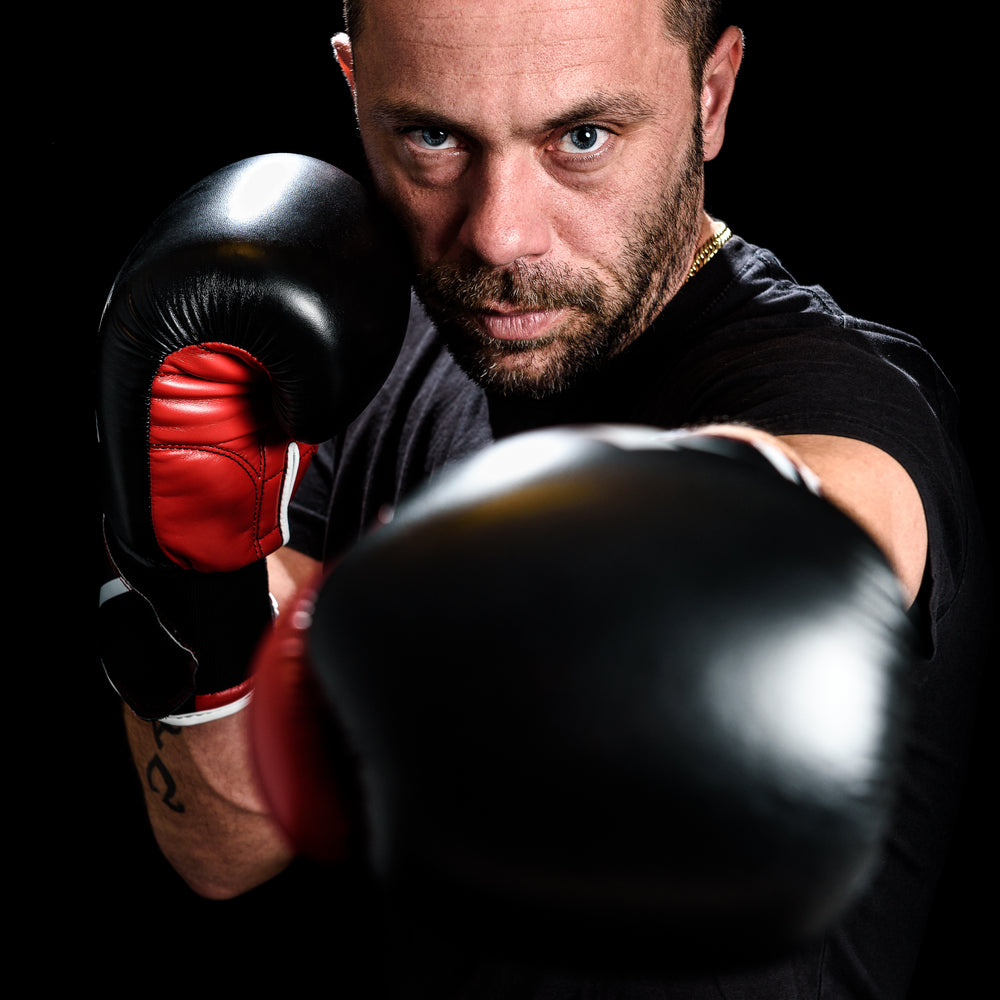
How to Start Training Combat Sports as a Complete Beginner
Walking into a combat sports gym for the first time is intimidating. The pad work sounds loud, everyone looks like they know what they're doing, and you're not even sure which gloves to buy — or whether you need gloves at all yet.
Here's the truth: every fighter in that room started exactly where you are. Nobody is born knowing how to throw a jab. If you want to start training combat sports as a complete beginner, this guide walks you through it step by step — choosing your sport, finding the right gym, what to expect in your first class, the gear you actually need, and how to keep going past week three.
Step 1: Pick the right combat sport for you
"Combat sports" is a broad family, and each discipline has a different feel. You don't need to commit forever — but picking a starting point helps. Here's a quick beginner-friendly breakdown:
- Boxing — Punches only. The best foundation for footwork, distance and conditioning. Low barrier to entry and brutally good for fitness.
- Kickboxing — Punches plus kicks. A fast, high-energy all-rounder that's hugely popular with beginners.
- Muay Thai — The "art of eight limbs": punches, kicks, elbows, knees and clinch work. Tough but incredibly rewarding.
- Brazilian Jiu-Jitsu (BJJ) — Ground grappling and submissions. No striking, so it's gentler on the face and great for smaller people. Highly technical.
- Wrestling — Takedowns and control. Phenomenal conditioning and the backbone of MMA.
- MMA — A mix of all of the above. Exciting, but most coaches recommend building a base in one discipline first.
Not sure? Start with boxing or kickboxing for striking, or BJJ if you prefer grappling and want to avoid getting hit while you learn. Most gyms offer a free or cheap trial class — take a few before deciding.
Step 2: Find a gym that fits beginners
A good gym matters more than the perfect sport. Look for:
- A dedicated beginners' or fundamentals class. You want structured teaching, not getting thrown into the deep end.
- Coaches who actually coach. Watch a session if you can. Do they correct technique and keep things safe, or just run people into the ground?
- A welcoming room. The best combat gyms are humble and supportive. Ego and intimidation are red flags.
- Sensible sparring rules. Beginners should not be sparring hard in their first weeks. Controlled, light, optional sparring is the sign of a healthy gym.
Step 3: Know what to expect in your first class
Your first session will probably involve a warm-up, some basic technique drills, pad or bag work, and conditioning. You will be uncoordinated. You will gas out fast. That's completely normal — fitness and timing come quickly once you start.
A few first-class tips:
- Arrive 10 minutes early and tell the coach you're new.
- Hydrate and don't eat a heavy meal right before.
- Leave your ego at the door. Ask questions, go light, focus on learning the movement rather than hitting hard.
Step 4: Get the gear you actually need (and skip what you don't)
You don't need to kit yourself out like a pro on day one — but a few essentials make training safer and more comfortable from the start. Borrowing sweaty communal gloves gets old fast, so most beginners invest in their own basics early.
For striking (boxing, kickboxing, Muay Thai):
- Hand wraps — Non-negotiable. They protect your wrists and knuckles. Cheap, essential, and you'll need them every session.
- Boxing gloves — A versatile 14oz or 16oz pair works for most beginner bag and pad work.
- A mouthguard — As soon as any sparring is on the horizon. Protect your teeth.
- Shin guards — Essential once you start kicking and sparring in kickboxing or Muay Thai.
- A gym bag — To carry it all.
For grappling (BJJ, wrestling):
- A gi (for gi BJJ) or rash guard and shorts (for no-gi).
- A mouthguard.
Quality matters here — well-made wraps and gloves protect your hands and last years. You can find beginner-ready striking and grappling gear, built for real training and shipped across the EU, at Legend Sports.
Step 5: Survive the first month (this is where most people quit)
The first few weeks are the hardest — not physically, but mentally. You'll feel clumsy and compare yourself to people who've trained for years. Push through it. Here's how:
- Aim for 2–3 sessions a week. Consistency beats intensity. Three steady weeks build a habit.
- Track small wins. Landing a clean combination on the pads or surviving a tough round is real progress.
- Recover properly. Sleep, hydrate and don't train through sharp pain.
- Talk to people. The community is one of the best parts of combat sports. Training partners keep you coming back.
Give it eight weeks. By then the movements click, your fitness jumps, and what felt impossible becomes routine.
Ready to throw your first punch?
Starting combat sports as a beginner comes down to four things: pick a discipline, find a beginner-friendly gym, show up consistently, and get the right gear to train safely. Do those and you're already ahead of everyone still thinking about it.
When you're ready to gear up, shop beginner combat sports equipment at Legend Sports — wraps, gloves, guards and everything else you need to start strong, with fast EU shipping.
Frequently Asked Questions
What is the best combat sport for a complete beginner? Boxing and kickboxing are the most beginner-friendly striking sports, while BJJ is ideal if you'd rather grapple and avoid getting hit early on. Try a trial class in each before committing.
What gear do I need to start combat sports? For striking: hand wraps, boxing gloves, a mouthguard, and shin guards once you start kicking. For grappling: a gi or rash guard and shorts, plus a mouthguard. Hand wraps and a mouthguard are the true essentials.
Do I need to be fit before starting combat sports? No. Combat sports build your fitness — most people start out of shape and improve fast. Just go at your own pace in the early sessions.
How often should a beginner train combat sports? Two to three sessions a week is plenty to progress steadily while allowing your body to recover and adapt.
Will I have to spar in my first class? No. Reputable gyms don't put beginners into hard sparring early. You'll start with technique, pad work and conditioning, with light, controlled sparring introduced only when you're ready.


