

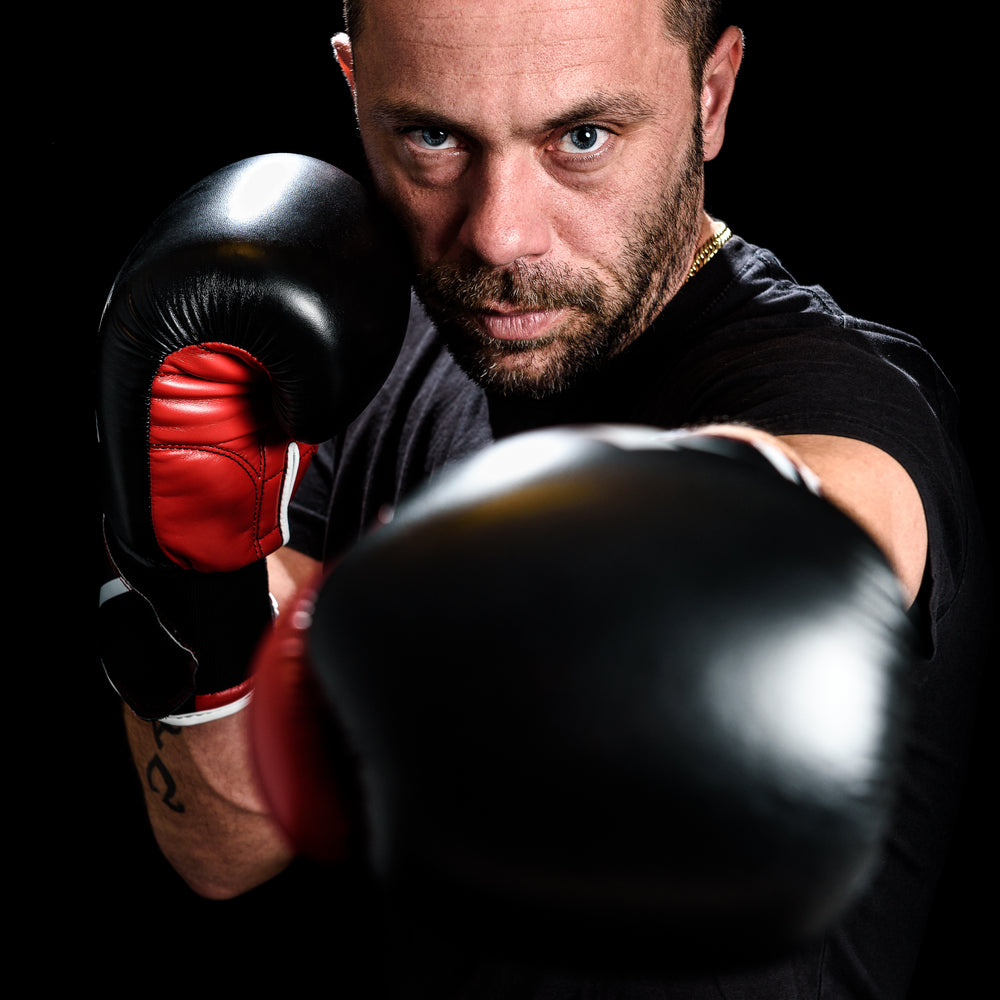
Kickboxing Equipment Essentials: What Every Beginner Needs to Start Training Safely
Walking into your first kickboxing class can feel overwhelming. The gym is filled with equipment you've never seen before, experienced fighters moving with practiced ease, and you're wondering: "What do I actually need?" Unlike running, which requires only shoes, kickboxing demands specific protective equipment to train safely and effectively. This guide cuts through the confusion and tells you exactly what kickboxing equipment you need, why you need it, and how to choose quality gear that protects your investment—your body.
Understanding Kickboxing's Equipment Requirements
Kickboxing combines punching techniques from boxing with kicks from martial arts, creating a complete striking system that engages your entire body. This comprehensive striking approach means you need protection for both your hands and shins, plus appropriate clothing that allows unrestricted movement. Let's break down each essential item.
Essential Item 1: Quality Boxing Gloves or Muay Thai Gloves
Your hands are your primary weapons in kickboxing, and protecting them is non-negotiable. However, choosing between different glove types can confuse beginners.
Muay Thai Gloves vs Boxing Gloves for Kickboxing
For kickboxing training, Muay Thai gloves are typically the better choice. They feature a more flexible wrist that accommodates the varied striking angles used in kickboxing, and their design supports the occasional clinch work found in many kickboxing styles. The more balanced padding distribution protects your hands whether you're throwing straight punches or hooking around an opponent's guard.
Boxing gloves work for kickboxing but are optimized specifically for boxing's straight-line punching. Their rigid wrist support is excellent for pure boxing but can feel restrictive during the diverse striking patterns of kickboxing.
Sizing Your Gloves Correctly
Kickboxing gloves are measured in ounces. Choose based on your body weight and intended use:
For Heavy Bag and Pad Work:
- Under 120 lbs: 10-12oz
- 120-150 lbs: 12-14oz
- 150-180 lbs: 14-16oz
- Over 180 lbs: 16oz
For Sparring: Most kickboxing gyms require 16oz gloves for all sparring regardless of weight. This ensures maximum safety for both participants. Always check your gym's specific requirements before purchasing sparring gloves.
Quality Indicators
Look for gloves with:
- Even padding distribution without soft spots
- Secure velcro or lace closure
- Quality stitching with no loose threads
- Genuine leather or high-grade synthetic material
- Adequate thumb protection
Expect to invest $80-$200 for quality kickboxing gloves. This might seem expensive initially, but cheap gloves break down quickly, offer inadequate protection, and ultimately cost more through repeated replacement and potential hand injuries.
Essential Item 2: Hand Wraps—Your First Line of Defense
Many beginners make the critical mistake of thinking gloves alone provide adequate hand protection. The truth is that boxing hand wraps are just as important as your gloves, if not more so.
Why Hand Wraps Are Non-Negotiable
Your hands contain 27 delicate bones, multiple joints, and countless ligaments. When you throw a punch, these structures absorb tremendous force. Hand wraps provide essential support by:
- Stabilizing your wrist to prevent hyperextension
- Compressing your knuckles into a unified striking surface
- Adding a protective padding layer under your gloves
- Absorbing sweat to keep your gloves fresher longer
Professional fighters never skip hand wraps, and neither should you. The three minutes spent wrapping your hands properly prevents injuries that could sideline your training for months.
Choosing the Right Hand Wraps
Standard hand wraps come in three lengths:
180 inches: The gold standard for most adults. Provides excellent protection for both knuckles and wrists with enough material for proper technique.
120 inches: Suitable for youth or adults with very small hands. Offers less wrist protection.
210 inches: Extra protection for large hands or heavy hitters who want maximum padding.
Start with 180-inch cotton or Mexican-style (elastic blend) wraps. Cotton wraps are affordable and breathable, while Mexican-style wraps with elastic conform better to your hand shape for a custom fit.
Learning Proper Wrapping Technique
Wrapping your hands correctly is a skill worth mastering. The basic technique involves:
- Starting with the thumb loop
- Wrapping your wrist 3-4 times for support
- Covering your knuckles 3 times with padding
- Securing your thumb
- Weaving between your fingers to lock knuckles together
- Finishing with additional wrist support
This process takes 3-5 minutes initially but becomes automatic within a few weeks. Practice at home until you can wrap confidently before class starts.
Essential Item 3: Shin Guards for Kick Protection
Kickboxing isn't just boxing—kicks are fundamental to the sport. Without proper shin protection, you'll quickly discover how painful unconditioned shins become when repeatedly hitting bags and pads.
Why Shin Guards Matter
Your shins are essentially bones covered by thin skin with minimal padding. Kicking a heavy bag or sparring without protection leads to painful bone bruising that takes weeks to heal. Shin guards protect your shins and feet during training, allowing you to develop proper kicking technique without unnecessary pain.
Types of Shin Guards
Instep Protection: Most kickboxing shin guards cover both your shin and the top of your foot (instep). This complete coverage protects you during low kicks and when kicking opponents who check (block) your kicks.
Shin-Only Guards: Some fighters prefer guards that protect only the shin, leaving their foot free. These offer greater mobility but less overall protection.
Slip-On vs Strap-On: Slip-on guards are quick and convenient but may shift during training. Strap-on guards take longer to secure but stay in place better during intense movement.
Sizing and Fit
Shin guards should cover from just below your knee to the top of your foot. They should fit snugly without cutting off circulation or sliding around. Most manufacturers offer small, medium, large, and extra-large sizes with specific measurements. Measure your shin length and compare it to size charts before purchasing.
Material Considerations
Quality shin guards use:
- High-density foam padding for impact absorption
- Synthetic or leather exterior for durability
- Elastic or velcro straps that maintain their grip
- Reinforced stitching at stress points
Budget $40-$100 for quality shin guards. Like gloves, this is protective equipment where quality directly correlates to safety.
Essential Item 4: Appropriate Athletic Wear
Kickboxing demands significant range of motion. Your clothing must allow unrestricted kicks, punches, and footwork without binding or restricting movement.
Shorts
Choose shorts specifically designed for martial arts or combat sports. Regular athletic shorts often ride up or restrict leg movement during high kicks. Look for:
Muay Thai Shorts: These wide, short-cut shorts allow complete freedom for kicks. They're traditional for Muay Thai but work excellently for all kickboxing styles.
MMA-Style Fight Shorts: Slightly longer with slits on the sides, these provide good range of motion while offering more coverage than Muay Thai shorts.
Flexible Athletic Shorts: If you can't find specialized combat sports shorts, choose athletic shorts with a gusseted crotch and flexible fabric that allows full range of motion.
Avoid: Basketball shorts (too long and restrictive), running shorts (not durable enough for training), cotton shorts (absorb too much sweat).
Tops: Rash Guards and Athletic Shirts
For upper body wear, you have several good options:
Rash Guards: Originally designed for water sports and Brazilian Jiu-Jitsu, rash guards have become popular in kickboxing. These tight-fitting synthetic shirts wick sweat effectively, prevent mat burn during ground work, and allow complete freedom of movement. The compression fit supports muscles and may help reduce soreness.
Athletic T-Shirts: Moisture-wicking synthetic t-shirts work well for kickboxing. Avoid cotton shirts that become heavy and uncomfortable when saturated with sweat.
Training for Women: Sports bras designed for high-impact activities work well under rash guards or alone in women's-only classes.
The key is moisture-wicking synthetic fabric that moves sweat away from your skin. Cotton absorbs sweat and becomes heavy and chafe-inducing during intense training.
Essential Item 5: Supportive Athletic Footwear (Or Go Barefoot)
Kickboxing training typically happens barefoot, allowing you to develop proper foot placement and balance. However, some gyms allow or require specific footwear.
Barefoot Training
Most traditional kickboxing and Muay Thai training occurs barefoot. This develops foot strength, improves balance, and allows for proper technique when throwing kicks. If your gym trains barefoot, you don't need specialized footwear.
Boxing Shoes for Kickboxing
Some kickboxing gyms, especially those with boxing-focused programs, allow boxing shoes. These lightweight, thin-soled shoes provide traction and ankle support while maintaining ground feel. If you choose boxing shoes for kickboxing, ensure they're flexible enough to allow proper kicking mechanics.
What to Avoid
Never train in:
- Running shoes (too much cushioning, restricts movement)
- Cross-trainers (too bulky for martial arts movements)
- Regular sneakers (inadequate support and grip)
Additional Important Equipment
While not absolutely essential for your first class, these items enhance safety and training effectiveness:
Mouthguard
Once you begin sparring, a quality mouthguard is mandatory. Even in light contact sparring, accidents happen. Custom-fitted mouthguards from your dentist offer the best protection but cost $100-$300. Boil-and-bite mouthguards from sports stores ($20-$40) provide decent protection for beginners.
Groin Protection
Essential for male fighters during any sparring. A quality protective cup prevents painful injuries that could have serious long-term consequences. Budget $20-$50 for this critical safety equipment.
Headgear
Some gyms require headgear for sparring, others leave it optional. Headgear reduces cuts and bruises but doesn't prevent concussions as effectively as once believed. Follow your gym's requirements and your comfort level.
Heavy Bag or Punching Bag for Home Training
If you're setting up for home training, a quality heavy bag or punching bag is the foundation of your home gym. Traditional hanging bags provide the most realistic training experience, while free-standing punching bags work well for apartments or spaces without ceiling mounting options.
A 70-100 lb heavy bag suits most adults. Too light and it swings wildly; too heavy and it doesn't provide proper feedback. Budget $100-$300 for a quality bag that lasts years.
Complete Beginner Shopping List
Here's exactly what you need to start kickboxing training safely:
Immediate Essentials (First Class):
- Muay Thai gloves or boxing gloves (16oz for most beginners)
- Hand wraps (180-inch cotton or Mexican-style)
- Shin guards with instep protection
- Moisture-wicking athletic shorts
- Rash guard or athletic shirt
- Water bottle
Total Estimated Cost: $180-$350 for quality equipment
Add Within First Month of Training:
- Mouthguard (when you start sparring)
- Groin protection for males (when sparring begins)
Future Additions:
- Second pair of gloves (separating bag gloves from sparring gloves)
- Headgear (if required by your gym)
- Heavy bag for home training
- Additional hand wraps for rotation
Where to Buy Quality Kickboxing Equipment
Local Fight Sports Stores: Trying on gloves before purchase ensures proper fit. Staff can often demonstrate proper hand wrapping and offer advice based on your training goals.
Online Specialty Retailers: Often offer better prices and wider selection than local stores. Read reviews carefully and check return policies since you can't try before buying.
Big Box Sporting Goods Stores: May carry kickboxing equipment but often stock lower-quality beginner gear. Suitable for trying out the sport before investing in premium equipment.
Directly from Manufacturers: Buying directly sometimes offers the best prices on premium equipment but check shipping costs and return policies.
Quality vs Budget: Making Smart Choices
As a beginner, you face a dilemma: invest heavily in equipment for a sport you're just starting, or buy cheap gear and upgrade later?
Where to Invest: Gloves and hand wraps. These protect your most vulnerable and valuable tools—your hands. Cheap gloves lead to hand injuries. Budget at least $80-$120 for quality gloves and $15-$25 for good hand wraps.
Where You Can Save: Shorts and shirts. While specialized gear is nice, you don't need premium branded athletic wear initially. Any moisture-wicking athletic clothing that allows full range of motion works fine.
Middle Ground: Shin guards. You need them for safe training, but entry-level shin guards from reputable brands ($40-$60) protect adequately for beginners. Upgrade to premium guards ($80-$120) as you progress and kick harder.
Maintaining Your Investment
Quality kickboxing equipment lasts years with proper care:
Gloves:
- Always use hand wraps to absorb sweat
- Air out immediately after training
- Use glove deodorizers or stuff with newspaper
- Store in cool, dry place
- Never leave in gym bag
Hand Wraps:
- Wash in mesh bag every 3-5 uses
- Air dry completely before storage
- Replace when elastic stretches out or fabric thins
Shin Guards:
- Wipe down after each use
- Air dry completely
- Store flat to maintain shape
- Check velcro and straps regularly
Athletic Wear:
- Wash after every use
- Air dry rash guards to prevent shrinking
- Replace when fabric loses elasticity
Avoiding Common Beginner Equipment Mistakes
Mistake 1: Buying the Wrong Size Gloves Many beginners buy gloves that are too small. For kickboxing training and sparring, most adults need 14-16oz gloves. Smaller gloves don't provide adequate protection.
Mistake 2: Skipping Hand Wraps Never train without properly wrapped hands. No exceptions. The temporary inconvenience of wrapping prevents permanent hand damage.
Mistake 3: Buying Everything Immediately You don't need every piece of equipment before your first class. Start with essentials (gloves, wraps, shin guards, appropriate clothing) and add items as your training progresses.
Mistake 4: Choosing Fashion Over Function Fancy designs and brand names don't make equipment more protective. Focus on fit, protection, and quality construction rather than aesthetics.
Mistake 5: Training in Damaged Equipment Worn-out gloves with degraded padding or shin guards with broken straps compromise your safety. Replace protective equipment when it shows significant wear.
Special Considerations for Different Training Environments
Gym Training
Follow your gym's specific equipment requirements. Some gyms provide communal equipment for beginners, while others require everyone to have personal gear. Always bring your own hand wraps for hygiene reasons even if gloves are provided.
Home Training
If training at home, you'll need a heavy bag in addition to personal protective equipment. Ensure you have proper mounting equipment and adequate space for safe training.
Mixed Training (Kickboxing + MMA)
If you're cross-training in MMA, you'll need additional equipment: MMA gloves for grappling work, rash guards for mat work, and potentially wrestling shoes depending on your program.
Start Your Kickboxing Journey Equipped for Success
Proper kickboxing equipment isn't just about following gym rules—it's about protecting yourself from preventable injuries while you learn one of the most effective fitness and self-defense systems available. Quality gloves, proper hand wraps, protective shin guards, and appropriate athletic wear create the foundation for safe, effective training that continues for years.
Don't let equipment confusion delay your start. With this guide, you know exactly what you need, why you need it, and how to choose quality gear. Now it's time to gear up and begin your kickboxing journey with confidence.
Ready to equip yourself for kickboxing success? Explore our complete collection of Muay Thai gloves, boxing gloves, heavy bag gloves, sparring gloves, hand wraps, shin guards, rash guards, and everything you need to train safely and effectively. From your first class to championship-level training, we have the kickboxing equipment that supports your journey.


